
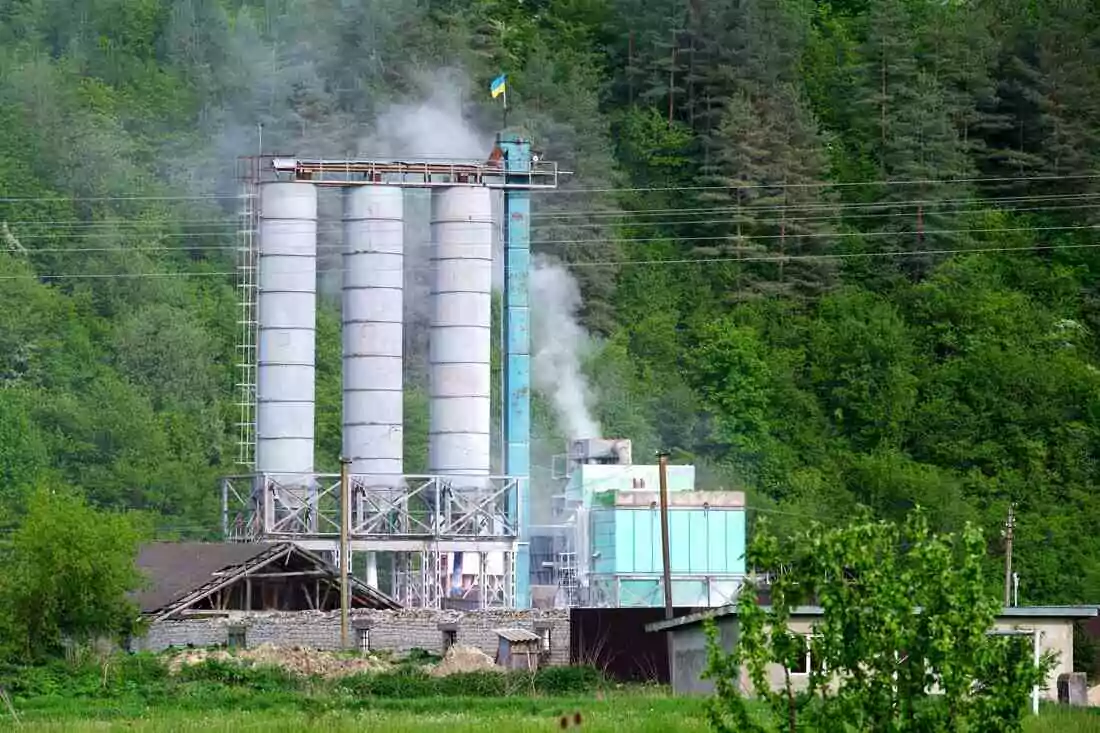
Edison has filed an appeal with the European Court of Human Rights, arguing that the Italian state is violating its human rights by demanding the clean-up of pollution that it itself caused. Their argument? The toxic waste was buried before the law introduced the concept of “remediation”. But can we truly believe that the chemical companies of the time – Edison, Montedison, Ausimont, Solvay – were ignorant of the consequences of that waste?
Yesterday’s pollution is not a problem confined to the past: it continues to contaminate groundwater and soil, putting public health at risk. Accepting Edison’s thesis would set a dangerous precedent, one that could legitimise impunity for past polluters and absolve those who pollute today of responsibility.
The author of this post followed the trial on the environmental disaster in Bussi sul Tirino as a defence lawyer for Solvay. Today, from a legal perspective, I can say that this issue is not just about Edison, but about the risk of a judicial decision that could undermine the right to health and a clean environment for entire communities.
I discuss this in detail in the document I am sharing with this post. The Bussi case must not be forgotten: justice cannot be reduced to an accounting exercise for the benefit of multinational corporations.
Read more: